The Importance of Physical Discs
With Sony currently planning to stop producing games on physical discs, we take this time to reflect on the importance of physical media and its relevance in keeping games accessible.
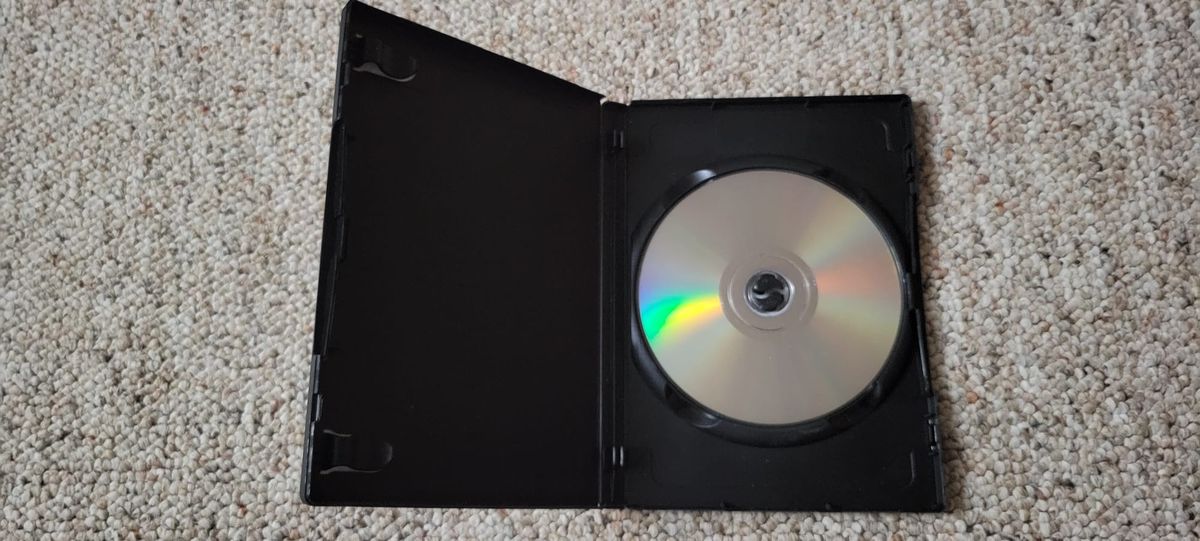
The AAA gaming industry has been going through a bit of a rough patch, to put it mildly. Just last week, Sony announced that they will no longer be producing physical discs for any game released on their platform. This change will be effective in January 2028. While it will be some time before this change takes effect, it is causing no small amount of controversy and discussion about the role that physical media plays in gaming. Despite all the backlash and petitions, I sincerely doubt Sony will be doing a 180 on this, and I wouldn't be surprised if Microsoft follows suit in the next few years. Nevertheless, this is as good a time as any to discuss the importance of physical media and why Sony is making a huge mistake.
Accessibility
To begin with, let's discuss the biggest reason why physical discs are still so popular with console gamers. While many people have access to high-speed internet and have no trouble downloading 80+ GB games, not everyone can do that. Whether it is not being able to afford it or not living somewhere with the infrastructure for it, the lack of a physical edition of a game can be a significant barrier. That's not even taking download limits into account, as some providers do still put a cap on that sort of thing.
Having physical discs can help people access games that they may otherwise not have been able to. Sure, you still have to factor in Day 1 patches, updates, and DLC, but that kind of thing puts way less strain on someone with limited internet than having to download all of that and a full game. That kind of accessibility is why physical discs have remained as popular as they have been. But by having hotly anticipated titles like Grand Theft Auto 6 be digital only, it alienates players who would have otherwise pre-ordered the game but can't due to some of the potential limitations listed above.
Being able to rely on physical discs makes games more accessible, and it is far too soon to begin talking about a digital-only era despite whatever Sony may claim. Because once consoles go digital only, that will feed into another major issue.
You Own Nothing
I think it is time we address the digital elephant in the room. When you purchase a digital game, you aren't actually buying the game itself. You are buying a license that lets you access the game. I'm not talking about DRM-free games on stores like GoG; I'm talking about purchasing a digital game on a console. There is nothing that stops Sony, Microsoft, or Nintendo from yanking that license away from you and denying access to content that you paid for. Oh, and you won't get a refund either. They take your game, and they keep your money. It is a game that the consumer will always lose.
Sony recently announced that they will be removing hundreds of movies from their store later this year. Not only will you not be able to purchase these movies, but you will also lose access if you already own them. This only affects UK users, but it is a clear-cut example of why digital purchases are a slippery slope. The above example may only apply to movies, but it could easily happen to video games as well. In fact, publishers aren't the only ones to worry about in that kind of scenario.
In the dystopian society that we find ourselves flying toward at full speed, this creates a very likely scenario where the government can decide that they don't want people playing certain games and then force publishers to revoke the license for that game just because there is a gay character or whatever is making the conservatives upset (and they are always upset about something, let's be real). This 1984-level of government control is way more difficult with games that are on a physical disc/catridge, especially with a console that has deliberately been disconnected from the internet.
Everything Old is New Again
As modern console gaming becomes more inaccessible due to prices and physical copies of games either becoming limited or going code-in-a-box, players will turn to alternative sources. Not everyone is going to want to drop $1,000+ on a gaming PC, especially with AI demands causing RAM prices to increase exponentially.
This makes retro gaming and emulation significantly more attractive. Why deal with all the hassle and anti-consumer practices of modern consoles when you could just dig out an older console from storage and just play without having to worry about updates? Not only that, but you can find used copies of old games in great condition on places like eBay, retro stores, or at your local gaming convention.
But while most used games will typically range from $10 to $50, there will be some exceptions. Popular, in-demand games tend to cost more. Take Silent Hill 3 for example. It is rare to find a copy of that game that sells for less than $200. That kind of pricing for games is where emulation comes in.
Sure, downloading ROMs is illegal, but when has the legality of something stopped anybody? I'm not advocating for illegal downloads, but it would be foolish to pretend like they aren't a thing, especially with rising costs and the sorry state that modern console gaming is in. There are decades worth of old video games out there, and emulation makes them significantly more accessible since many of these titles have been abandoned and forgotten by their publishers/developers.
In conclusion, I don't believe the world is ready for gaming consoles with no physical discs. Maybe in a few decades, with some better infrastructure (not to mention legal protections for digitally purchased content), it may be more feasible. But until then, the removal of physical discs for video games isn't going to end well for anyone.

Comments ()